Did LeBron Waste Eight Years With the Lakers? One Ring Doesn't Settle the Argument.
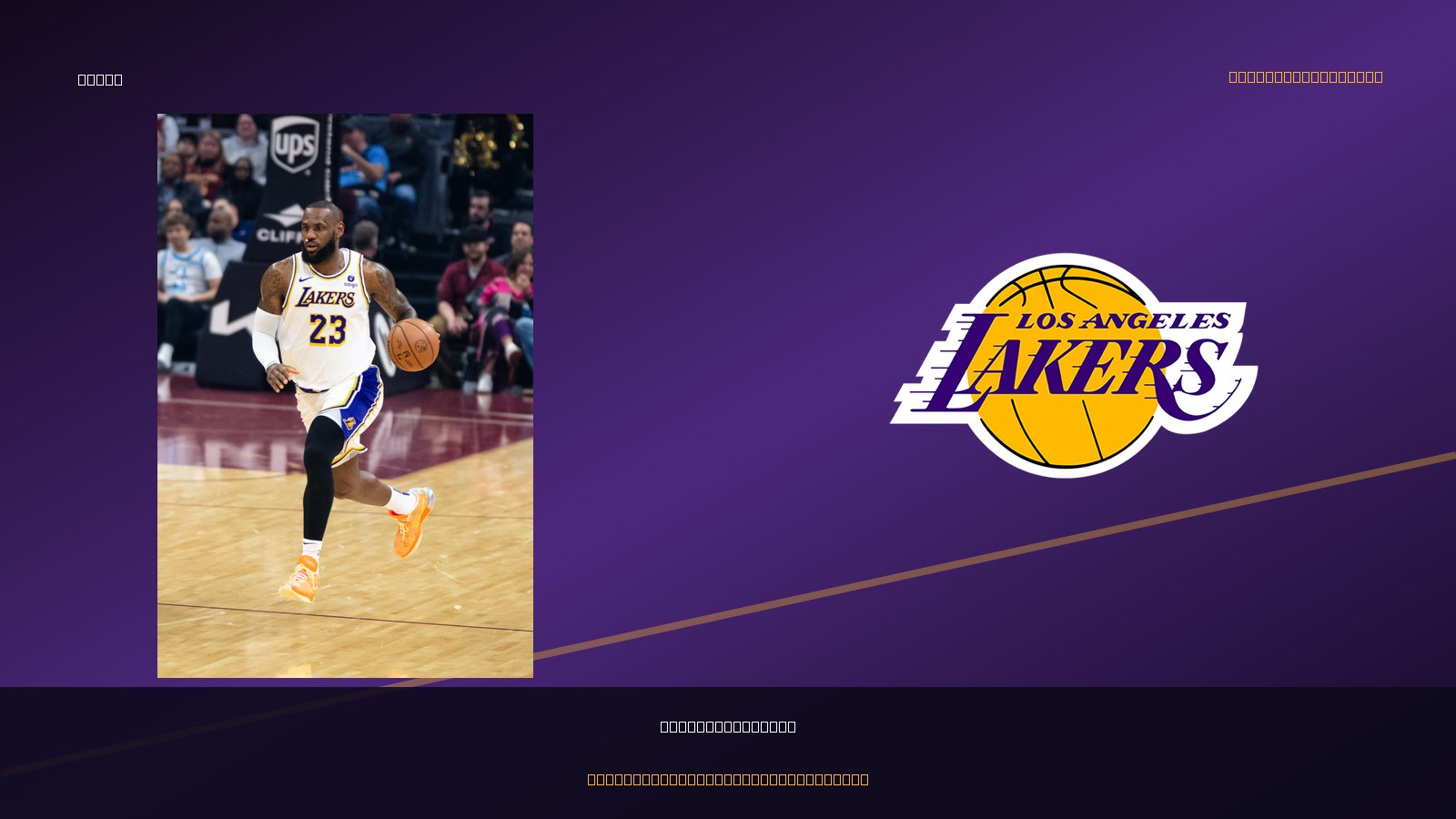
LeBron delivered a championship in Los Angeles, but eight years, one Finals appearance and the years after 2020 invite a harder conversation about opportunity cost.
LeBron James spent eight consecutive seasons with the Los Angeles Lakers. He won a championship in 2020, reached the Western Conference finals again in 2023 and eventually left for Philadelphia in 2026. That's a historic chapter by almost anyone's standards. But there is another question underneath the banners and milestone graphics: was eight years too much time for a player who had spent the previous eight seasons reaching the NBA Finals every single year? That deserves a real argument instead of another GOAT-war reaction.
LeBron's Los Angeles chapter
- Lakers tenure
- 2018–20268 seasons
- Championships
- 12020
- Finals trips
- 12020
- Western Conference finals
- 20202023
- Next team
- Philadelphia2026
What the record actually shows
Start with what cannot be taken away. The Lakers missed the playoffs five straight seasons before LeBron arrived in 2018. He helped attract Anthony Davis, and in the pandemic-disrupted 2019–20 season, they built the best team when it mattered. LeBron won Finals MVP and the Lakers collected championship number seventeen. A ring is a ring. The environment was unusual, but every team competing in that bubble faced the same circumstances. Calling that title meaningless just because you dislike LeBron is unserious.
The harder part comes after the parade. That 2020 season was the Lakers' only trip to the NBA Finals during the LeBron era. They reached the conference finals in 2023, where Denver swept them, and missed the postseason twice across the eight years. Compare that to the Cleveland–Miami–Cleveland run of eight straight Finals, and you understand why some people see the Los Angeles chapter as a long stretch of diminished championship opportunity. Time is the one thing an aging superstar cannot trade for another draft pick.
The harder questions
But hindsight can make alternative histories look too easy. Leaving Los Angeles in 2021 would not have guaranteed another ring. We can't simply assign LeBron to an imaginary healthy contender, erase injuries, remove salary-cap restrictions and award the trophy. Even championship teams require the right partner stars, complementary defenders, good shooting and good fortune. The Lakers' problems involved injuries, roster turnover and decisions made well beyond LeBron's own jump shot. That's a different discussion from whether his personal numbers remained elite.
There's also the business of choosing what makes a career valuable. LeBron became the NBA's all-time leading scorer as a Laker, extended a seemingly impossible run of production into his forties and helped keep the franchise nationally relevant. He built a life and legacy in Los Angeles that extended beyond chasing the next Finals berth. Fans who evaluate every superstar decision exclusively by ring count will see those choices differently from someone who also values stability, family, visibility and longevity.
Then he moved to Philadelphia for his twenty-fourth season, playing alongside Tyrese Maxey, Joel Embiid and Jaylen Brown. The Sixers opened with a win over the defending champion Knicks on October 20. His 14 points, nine rebounds and seven assists were not a classic forty-point takeover, but they showed a player still finding ways to influence important possessions. That doesn't retroactively turn the Lakers years into a mistake. It does underline the difficult question of how many title windows may have existed somewhere else.
The competing considerations
6IX TAKE — My issue with the 'LeBron wasted eight years' argument is that it treats a championship like it happened by accident. It didn't. Los Angeles was a franchise going nowhere fast, and he helped bring it back to the top. That's an achievement. But I also think it's fair to say the post-2020 roster decisions and repeated resets cost him real opportunities. An aging LeBron shouldn't have needed to spend so many spring nights watching the next round instead of playing in it. Both statements can be true. I don't have to invent three imaginary championships to question whether the Lakers maximized him, and I don't have to pretend that one real championship was nothing. The strongest criticism is aimed at organizational planning, not a player for daring to live somewhere he wanted to live. If we're going to debate greatness, we need to judge the actual years against the realistic alternatives, not the perfect team we drew up after everything was over.
6IX TAKE — an argument worth having
The final measure is neither a viral complaint nor a trophy-counting shortcut. The Lakers got a title and eight seasons with one of basketball's greatest players. LeBron got a historic chapter and also lived through several frustrating exits. The story is successful and incomplete at the same time. That's the kind of legacy argument worth having.
What comes next
NBA / OFFICIAL RETROSPECTIVENBA analysis: LeBron's eight seasons in Los AngelesThe 2020 championship, eight-year record, title window and departure.
REUTERS / OCTOBER 2026Reuters: LeBron begins his Philadelphia chapterVerified Sixers debut and opening-night statistics.
Talk your shit.
Agree, disagree, add context, challenge the take. Keep it about the conversation.
Your account name stays attached to your comments, so nobody can just type your name and pretend to be you.