Gabby Williams Saved Game 1. Atlanta's Fourth-Quarter Offense Fell Apart.
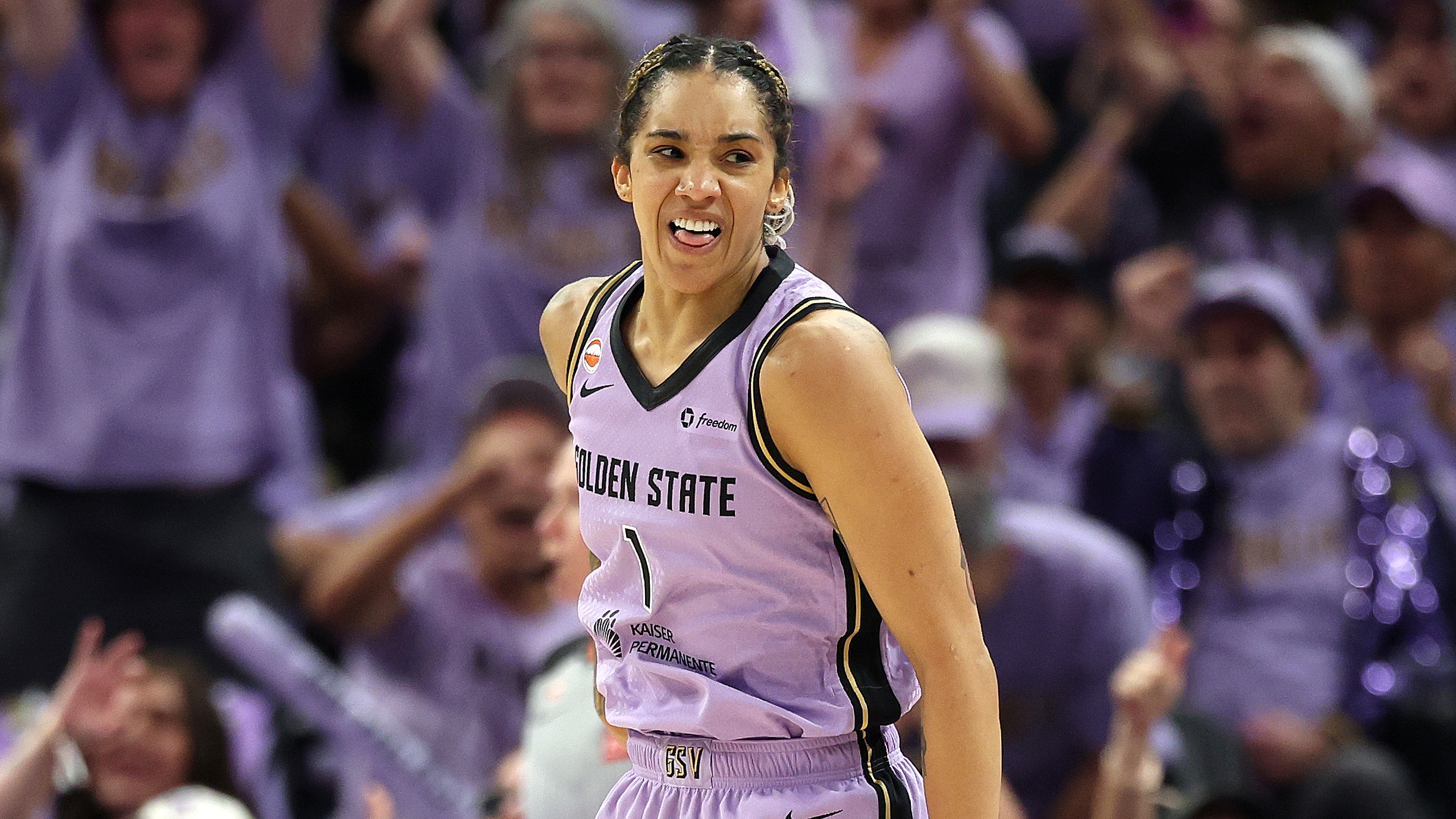
Golden State shot 32 percent and still stole a 68-64 Finals opener because the Dream could barely buy a basket when it mattered.
Golden State won Game 1 of the WNBA Finals 68-64, but don't let that score trick you into thinking the Valkyries put on some flawless shooting exhibition. They shot 32.1 percent from the floor and made only seven of their 33 threes. Gabby Williams was basically the entire answer on offense, scoring 26 points when nobody else on the roster even reached double figures. If Atlanta finishes a few of its late possessions, we're talking about a completely different story.
Williams scored 16 in the second quarter and stayed aggressive even when Atlanta's pressure made everything feel uncomfortable. With the Valkyries trailing in the fourth, she attacked the basket and later made the free throws that put them ahead and shut the door. The game ended on a 7-0 Golden State run. I love that kind of composure: the jumpshots weren't falling, the defense was suffocating, but she never acted like the game was already out of reach.
Now look at the Atlanta side. Allisha Gray gave them 19 points, Angel Reese added 14 points and 12 boards, and Jordin Canada contributed eight points with seven assists and five rebounds. Reese was punishing defenders in the first quarter, scoring 11 points on 5-of-6 shooting. So the Dream didn't lack options. What it lacked was a way to keep those options productive once the game got tight and Golden State adjusted.
Atlanta managed only eight points in the fourth quarter and shot just 2-for-19 in the period. That is an absolutely brutal way to lose a Finals opener. You can blame good defense—and the Valkyries absolutely earned credit for contesting and disrupting shots—but some of those possessions were simply poor execution. The Dream were missing looks, taking tough attempts and wasting chances to put Golden State away.
Give the supporting Valkyries their respect too. Kiah Stokes finished with nine points, seven rebounds and four blocks; Kaila Charles added seven points and ten boards. Their impact wasn't pretty, but it helped make the rim a miserable place for Atlanta to score. When both offenses are struggling, getting a stop can be as important as hitting a three. Golden State understood that late better than its opponent.
The part I refuse to ignore is that winning ugly doesn't mean you're fixed. Williams can't be expected to carry virtually all the scoring forever, and seven-for-33 from deep isn't a title-winning plan if it keeps happening. Atlanta should look at the film knowing this game was available; Golden State should do the same and see everything it got away with. Both teams have adjustments to make before Game 2.
6IX TAKE — Golden State deserves credit for surviving a Finals opener in which almost nothing worked offensively, but I refuse to confuse survival with control. Gabby Williams scored 26 while no teammate reached double figures; the Valkyries shot 32.1 percent overall and 7-for-33 from three. That's an enormous burden to put on one player. Atlanta's eight-point fourth quarter, including 2-for-19 shooting, gave Golden State the opening to steal a game it could easily have lost. Some of that collapse belongs to the Valkyries' defense: Kiah Stokes' four blocks and the collective pressure around the rim made clean finishes difficult. But the Dream also have to answer for their own execution. A team with multiple scoring options cannot allow its offense to turn into desperate attempts when the game tightens. The counterpoint is that Finals defense is supposed to make even talented teams look uncomfortable, and winning when the shots aren't falling is a real skill. I agree. Still, the lesson for Golden State is not that Williams can carry the whole series; it's that somebody else must give her a reliable second option. Atlanta's lesson is harsher: late-game possessions are not a formality. They're the championship.
Talk your shit.
Agree, disagree, add context, challenge the take. Keep it about the conversation.
Your account name stays attached to your comments, so nobody can just type your name and pretend to be you.