Cars Floating Down the Street in Chile. Where the Hell Was the Phone Alert?
The footage coming out of Santiago looks unreal. The part I can't shake is that people in Las Condes never got an evacuation alert on their phones before the flood hit.
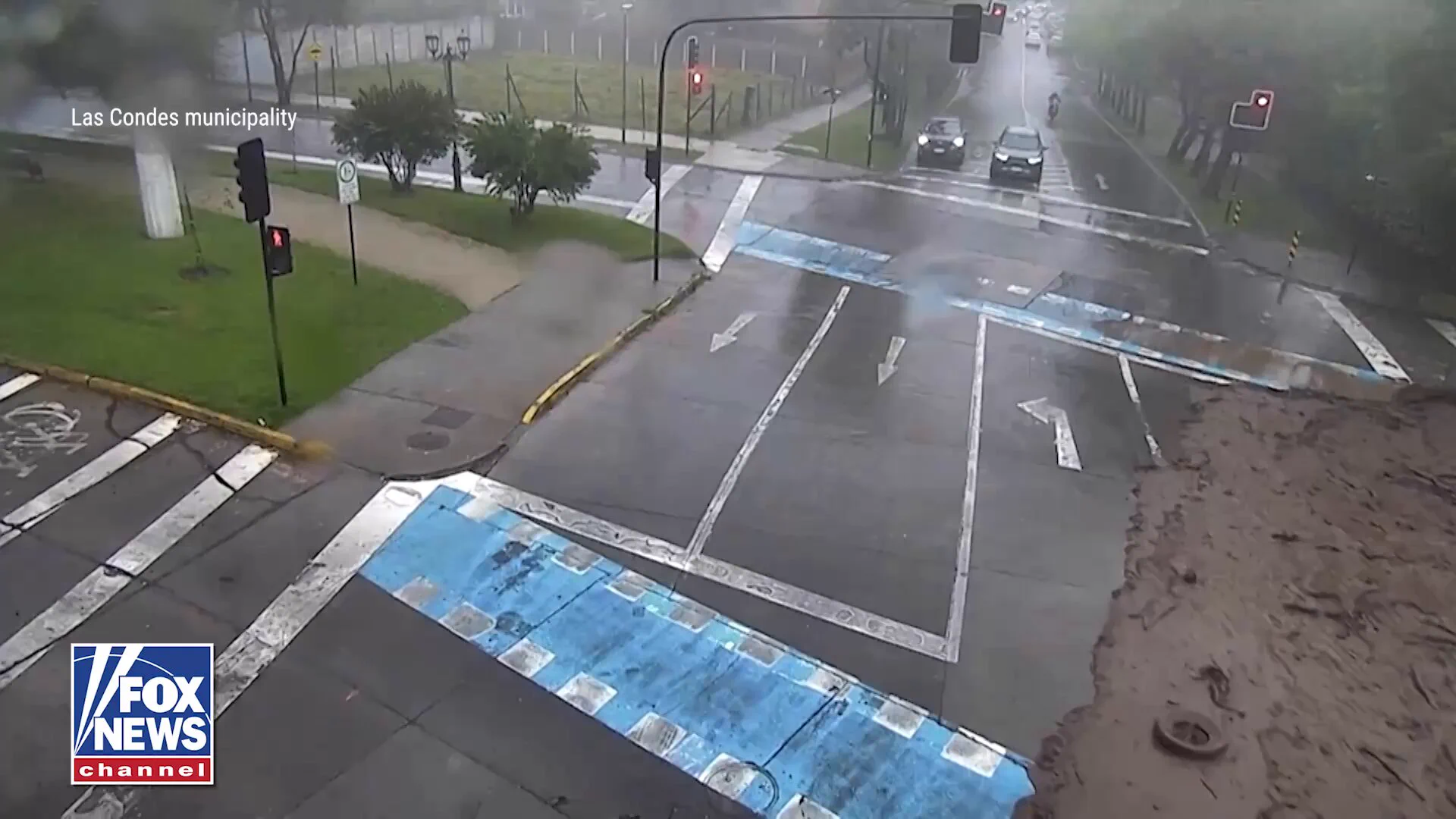
A man holding onto a truck while cars get pushed down the street is the kinda shit I expect in a disaster movie, not somebody's regular Thursday afternoon. That's what got me looking at the Fox News footage out of Santiago, Chile. I ain't about to pretend I'm a weather expert, but that video is scary as hell. It's easy to repost something because it looks crazy. It's different when you remember those are actual people trying to get home.
WATCH THE ORIGINAL VIDEOFox News footage: cars swept through Santiago streetsOriginal X post, October 9, 2026. Footage belongs to its original rights holders; 6ixtv does not claim ownership.
The flooding hit Las Condes, on the eastern side of Santiago, on October 8. Officials reported at least six injured, including a one-year-old child with a broken leg. A medical clinic flooded, vehicles were carried down roads, and preliminary reporting put damaged homes in the thousands across the affected area. Chile declared Las Condes a disaster zone and sent soldiers and rescue crews to help clean up. This wasn't just a couple cars caught in some deep water.

The alert is what got my attention
Then I start reading about the warnings. Chile's emergency agency, Senapred, says people had already been warned about the incoming rain. So I'm not gonna lie and say nobody knew a storm was coming. But the agency also confirmed there was no emergency cellphone evacuation alert for the neighborhood in Las Condes before the surge. Their explanation is that the water came down so fast there wasn't time to organize an evacuation, and those phone messages are supposed to support an evacuation decision.
I can understand not being able to predict the exact second a mountain runoff turns a road into a river. That's nature. But I'm still stuck on this: if the worst part of a disaster happens too fast for your warning system to warn anybody, then what are people supposed to do? I'm not blaming firefighters or acting like somebody should've magically stopped the rain. I'm questioning whether the way we warn people is enough when things go bad this fast.
And the situation might be more complicated than just heavy rain. A regional official said blocked underground drainage channels could've contributed to the water spilling into the street. He also pointed to a previous hillside fire that burned away vegetation, with protective barriers reportedly discussed but not yet installed. Those are possibilities officials raised, not findings that prove negligence. I'd rather see somebody actually investigate them than turn a theory into a headline.
There were evacuations beyond Las Condes, too. EFE reported roughly 600 households had to leave the Talagante area after the Mapocho River rose. That's a different community, and a reminder this storm was bigger than the thirty-second clip we're all watching. People got homes to clean out, property to replace, and probably some real fear about what the next storm could do.
That's the conversation I wanna see once everybody's done sharing the video. Were the drainage systems ready? Would those barriers have made a difference? Can the alerts get more specific or reach people sooner? Maybe some of this truly couldn't have been prevented. Fine. But don't just show me the footage and a disaster declaration. Tell me what was learned and what's actually changing.
The internet will move on to another wild video tomorrow. The people who live on those streets can't just scroll past what happened to them. And if I'm one of them, I don't care how many times my car floating down the road gets reposted. I wanna know whether I'm safe the next time it rains.
Talk your shit.
Agree, disagree, add context, challenge the take. Keep it about the conversation.
Your account name stays attached to your comments, so nobody can just type your name and pretend to be you.