Detroit Knew Carolina Had Two Answers And Still Couldn't Stop Either
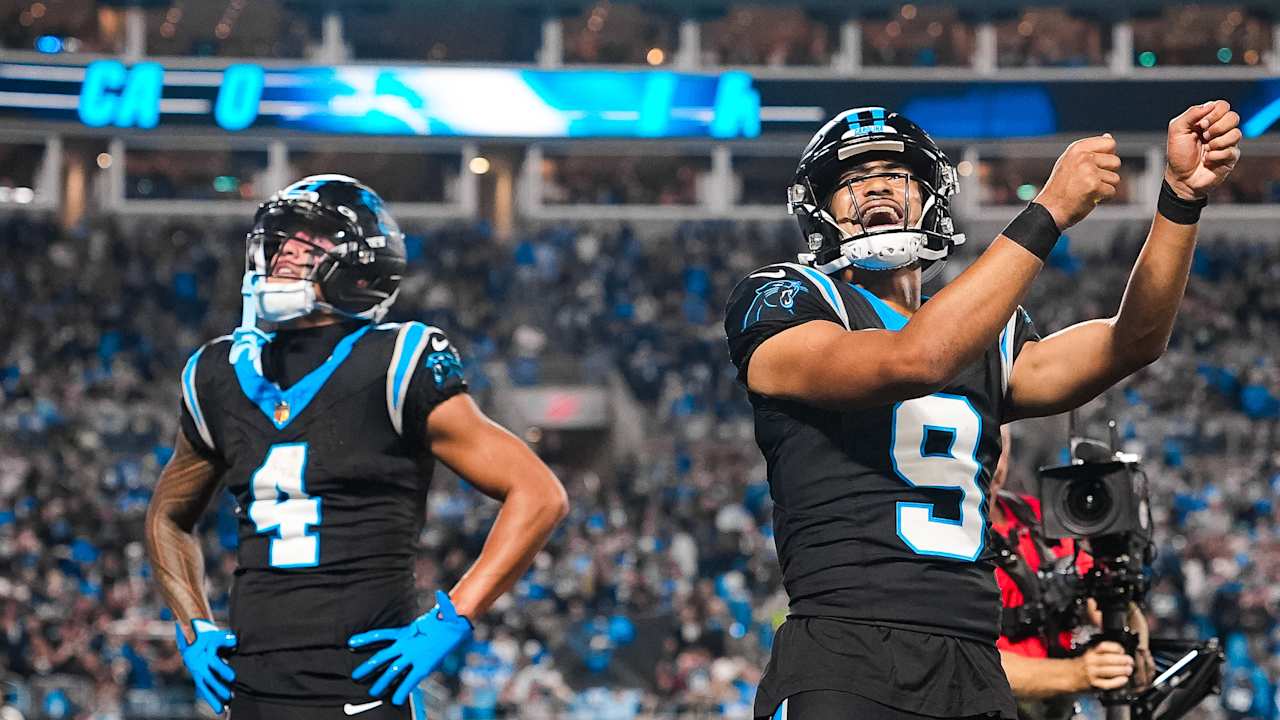
Tetairoa McMillan was eating through the air, Chuba Hubbard was eating on the ground, and Detroit kept letting both happen.
Carolina beating Detroit 32-26 isn't the part that caught me off guard. The part is how obvious the Panthers made the offense and Detroit still couldn't deal with it. Bryce Young completed 29 of 41 for 329 yards and two touchdowns, both going to Tetairoa McMillan, who had 14 catches for 192. Fourteen catches. At some point you can't even pretend the defense didn't know he was a problem. Then Chuba Hubbard came right behind that with 122 rushing yards and two touchdowns, so the Lions couldn't just take the pass away and dare Carolina to run. They were getting worked both ways. Detroit had production too — Jared Goff went over 400 passing yards — but look at the game itself. Carolina kept moving and finishing when it mattered, while the Lions wound up chasing an offense they couldn't slow down for long enough. That's the shit I pay attention to more than which team people expected to win.
Two different ways to beat you
- Bryce Young
- 329 PASS YDS2 TD
- Tetairoa McMillan
- 14 REC192 YDS2 TD
- Chuba Hubbard
- 122 RUSH YDS2 TD
- Jared Goff
- 412 PASS YDS
Original Panthers highlights from both McMillan touchdowns.
WATCH / OFFICIAL NFL FOOTAGEChuba's two-touchdown rushing night ↗Original Carolina rushing package.
6IX TAKE
Detroit lost 32–26 despite Goff throwing for 412 yards. Carolina's combination of McMillan's 192 receiving yards and Hubbard's 122 on the ground created two different problems the Lions never consistently answered.
McMillan's volume is one story. Hubbard's goal-line work is another.6IX / FANDUEL WATCH
THE BIGGER PICTURE
Carolina beat Detroit 32–26, and the Panthers gave the Lions two different problems that Detroit never solved consistently. Tetairoa McMillan finished with 192 receiving yards, while Chuba Hubbard ran for 122. That is a brutal combination for a defense because protecting against the explosive pass can open space on the ground, and committing extra bodies to the run leaves receivers in favorable matchups. Carolina kept forcing Detroit to choose, and neither choice worked well enough. Jared Goff threw for 412 yards, so this was not a game where the Lions had no offensive answers. They moved the ball and remained dangerous, but they still finished six points behind. That difference is important. A productive passing line can keep a team competitive without covering up every defensive breakdown. Detroit had enough offense to make this a fight; it did not have enough stops to change the outcome. Carolina's offense deserves credit for keeping pressure on the Lions instead of getting conservative once it had success. What I want from Detroit is a defensive adjustment that shows up before the fourth quarter. If a receiver is repeatedly winning downfield and a running back is finding lanes, somebody has to change the looks, the leverage, or the personnel usage. You cannot just hope the next drive goes differently. Carolina, meanwhile, should resist turning one strong game into a declaration that everything is solved. But this was a convincing example of complementary offensive football: a passing threat and a running threat making each other harder to defend.
Talk your shit.
Agree, disagree, add context, challenge the take. Keep it about the conversation.
Your account name stays attached to your comments, so nobody can just type your name and pretend to be you.