You're Getting Free Healthcare While Complaining About Other People Getting Help? Make That Shit Make Sense.
The New Face of America shows Americans relying on free care. My question is why some people condemn the same assistance when somebody else needs it.
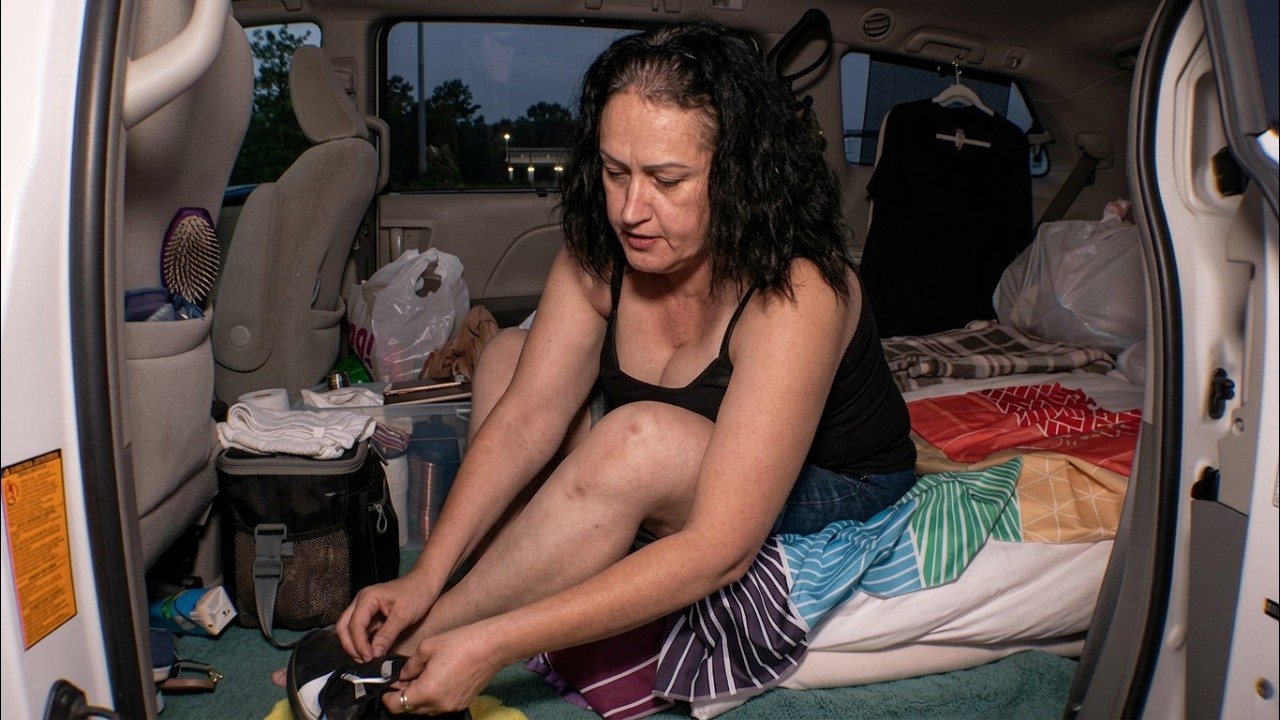
I'm watching clips from The New Face of America, and something about these people genuinely fascinates me.
You've got Americans struggling to afford healthcare, relying on food stamps, and waiting for a weekend when volunteer doctors come into town so they can finally get the medical attention they need.
And in the clips I'm reacting to, some of the same people seem to look down on other Americans receiving assistance.
Nigga, YOU NEED ASSISTANCE TOO.6ix / 6ixtv
That's what I can't get past.
You need somebody to help pay for your groceries. You need somebody to help with your medical expenses. You're depending on people coming together to provide services you can't otherwise afford.
But when somebody else needs help, suddenly we're having a conversation about socialism, personal responsibility, and who's living off everybody else's hard work.
How the fuck does that make sense?
It's only a handout when somebody else gets it.
What really interests me is the mentality behind this.
Some people seem to believe that because they've worked their entire lives, they've somehow earned assistance in a way that other people haven't.
They've paid taxes. They've worked long hours. They've contributed to society.
And that's fine.
But then they turn around and question why immigrants, unemployed people, or other struggling families should receive help.
So let me get this straight.
When you need help, it's something you've earned. When somebody else needs help, it's socialism destroying America?6ix / 6ixtv
Make that shit make sense.
And before somebody starts arguing about whether the clinic is technically socialism or charity, you're missing what I'm saying.
The doctors are volunteering their time. Donations help pay for the services. People are pooling resources so other people can receive healthcare without paying for it themselves.
Call the arrangement whatever you want.
The people standing in that line still need somebody else's help to receive medical treatment.
And there ain't a damn thing wrong with that.
The contradiction is condemning other people for needing assistance while accepting assistance yourself.
Now let's talk about who you're voting for.
Here's where the politics become interesting.
Some of these Appalachian communities have overwhelmingly supported Donald Trump and Republican candidates. That doesn't tell us how every person standing in a medical clinic voted, but it does raise questions about the relationship between economic needs and political choices.
Trump was convicted on 34 felony counts of falsifying business records in New York in 2024.
That didn't stop him from returning to the presidency.
And at his January 2025 inauguration, you know who had some of the most prominent seats in the room?
Elon Musk. Jeff Bezos. Mark Zuckerberg. Sundar Pichai.
Some of the wealthiest and most influential people in the technology industry.
Now, I'm not suggesting that attending an inauguration automatically means every executive supports every policy the president introduces.
But I do think that image should've sparked a conversation about wealth and political influence.
Because you've got a president who campaigns as a champion of ordinary working Americans, surrounded by some of the wealthiest people on Earth.
Meanwhile, ordinary Americans are standing in line to see a fucking dentist.
And in 2025, Republican-backed legislation changed Medicaid and SNAP eligibility, financing, and benefits. The Congressional Budget Office projects those Medicaid changes will increase the number of uninsured Americans by 7.5 million in 2034.
Supporters argue the changes control spending, strengthen work requirements, and prevent misuse of benefits.
That's their position.
But if you depend on these programs, shouldn't you at least understand what those changes might mean for you?
Because from where I'm standing, supporting policies that could make the assistance you rely on harder to access deserves some serious thought.6ix / 6ixtv
You've convinced yourself the wrong people are responsible for your problems.
This is what I've understood for years.
I believe too many working-class Americans are directing their frustration toward people who have little economic power instead of questioning the institutions making decisions about their lives.
And prejudice makes that contradiction even more difficult to recognize.
Somebody else's race, nationality, or immigration status suddenly becomes part of the conversation about whether they deserve to receive help.
But your own need for assistance is treated differently.
I don't think somebody should have to work 40 years before they're considered worthy of seeing a doctor.
I don't think a person's medical needs become less important because they were born somewhere else.
And I damn sure don't believe somebody receiving food assistance is automatically responsible for another person's economic problems.
I'm doing great personally. This isn't me looking for somebody to blame.
I'm looking at people experiencing real economic hardship and questioning why some of them seem more concerned with who else might receive assistance than with understanding the policies affecting their own access to it.
And yes, I question the concentration of wealth and power in this country.
I question corporate influence over politics.
I question how a country with America's resources still leaves so many people dependent on occasional charity clinics for basic healthcare.
Those questions don't disappear because someone identifies as Republican or Democrat.
The people receiving assistance aren't automatically your enemies.
I keep coming back to those people waiting to see a doctor.
There is absolutely nothing embarrassing about needing medical treatment you can't afford.
Nothing embarrassing about getting help with groceries.
Nothing embarrassing about accepting assistance when life gets difficult.
But looking down on somebody else for needing the same help you're receiving? That's the part I can't understand.6ix / 6ixtv
You can't spend your life treating government assistance as some moral failure when other people receive it and then expect everybody to recognize your own circumstances as different.
Maybe you have legitimate disagreements about how those programs should operate.
Fine. Explain them.
But if your position comes down to believing you're deserving of help while somebody from another community isn't, then we're not just talking about economic policy anymore.
We're talking about prejudice.
And perhaps the most interesting thing about this documentary is that it forces us to confront a question much bigger than one election.
How many Americans have become so focused on deciding who deserves help that they've stopped questioning why so many people need it in the first place?6ix / 6ixtv
Because I think that's where the real conversation begins.
Original clip and reporting sources
Full 51-minute documentary; Best Documentary YouTube upload credited to director Sebastien Gilles.
OFFICIAL COURT-CASE RECORDManhattan DA — 34-count trial convictionOfficial May 30, 2024 announcement of the jury's felony conviction verdict.
REUTERS / INAUGURATIONTech billionaires get prominent places at Trump's inaugurationJanuary 20, 2025 coverage of corporate executives attending the ceremony.
CONGRESSIONAL BUDGET OFFICEMedicaid provisions in Public Law 119-21October 28, 2025 estimate of the 2034 coverage impact: 7.5 million additional uninsured.
CONGRESSIONAL BUDGET OFFICEThe Budget and Economic Outlook: 2026 to 2036CBO details Medicaid and SNAP changes, enrollment projections and expected spending.
REMOTE AREA MEDICAL / OFFICIALHow free weekend clinics are staffed and fundedRAM confirms volunteer-powered clinics are funded through private donations, foundations and grants rather than government funding for clinic operations.
Editorial disclosure: 6ixtv is an independent publication. This article expresses 6ix's opinion about inconsistent attitudes toward public assistance and is not an endorsement of a political party. A free charity clinic is not the same financing model as a government social insurance or welfare program; the author's analogy concerns the shared principle of access to help. The documentary participants' individual votes and the original TikTok dialogue were not independently verified.
Talk your shit.
Agree, disagree, add context, challenge the take. Keep it about the conversation.
Your account name stays attached to your comments, so nobody can just type your name and pretend to be you.