EV Sales Dropped, and Everybody's About to Pretend That Proves Their Point
Global EV sales fell 2% year over year in September — but rose 17% from August, while Europe broke records. Stop treating a complicated car market like a political scoreboard.
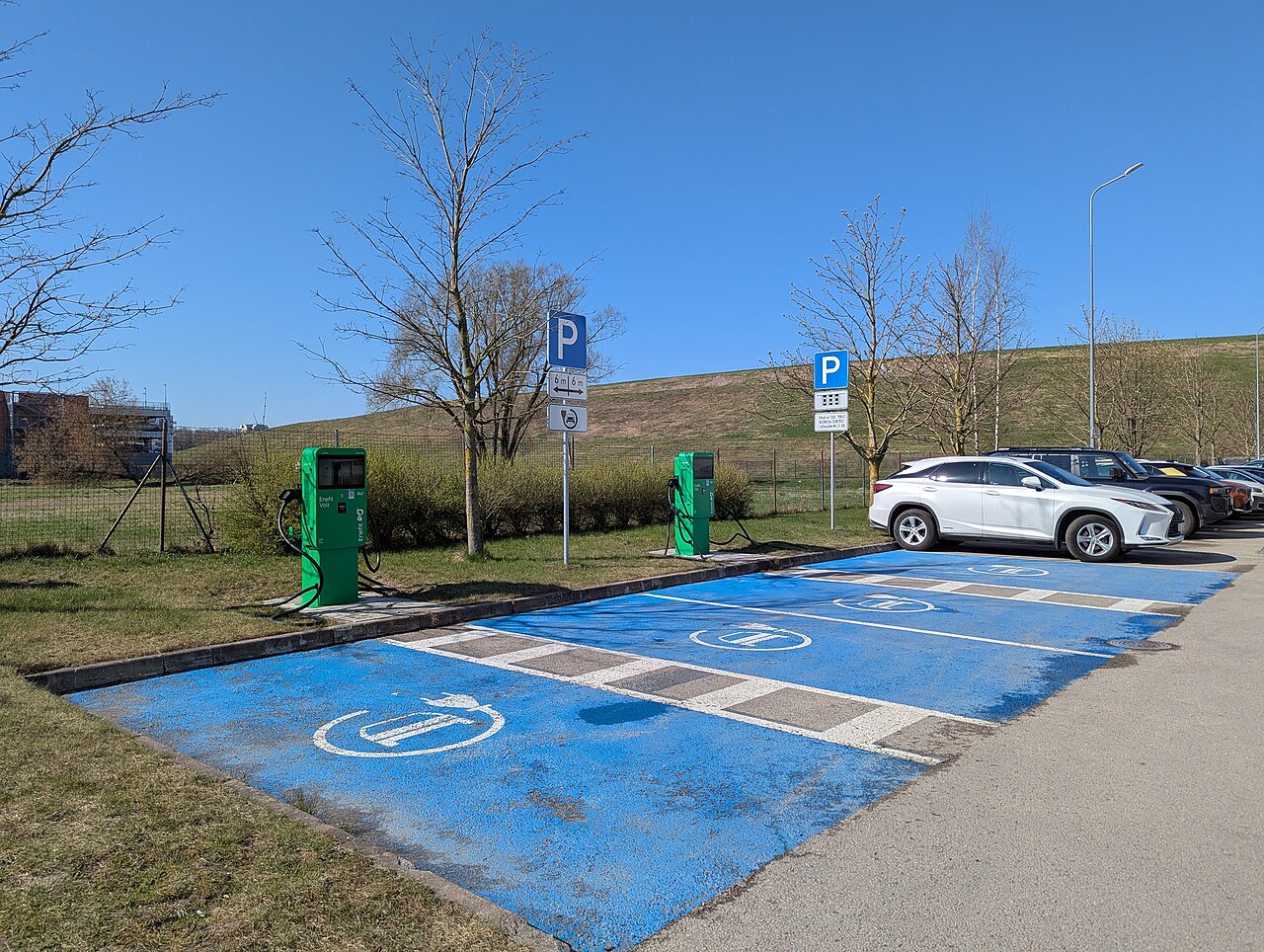
Global EV sales dropped two percent in September, and I already know how this conversation is about to go. One side is gonna scream that electric cars are finished; the other is gonna insist every number proves the revolution is unstoppable. Both can spare me the bullshit. Because 2.15 MILLION electric vehicles were sold around the world in one month. That was down from September 2025, yes, but UP 17 percent from August. Through the first nine months of 2026, sales reached 15.5 million, three percent above last year. If you're only repeating the negative two because it helps your argument, you're not explaining the market. You're picking a team.
These figures come from Benchmark Mineral Intelligence's October 16 report, which covers battery-electric cars and plug-in hybrids together. That's important too: people hear 'EV' and picture only cars that run entirely on batteries, when this particular count also includes vehicles that can plug in and use gasoline. You can't compare every number from different reports without checking what the researchers actually counted. A headline isn't a substitute for reading the fucking methodology.
Europe is the part of this story the doom-and-gloom crowd would love to ignore. Nearly 600,000 plug-in vehicles were sold there in September, the region's biggest month on record and 39 percent higher than a year earlier. Battery-only sales jumped 50 percent, while plug-in hybrids rose 16 percent. The UK, France, Spain, Portugal and Finland each had record months. France was up 78 percent; Germany was up 61 percent. So somebody tell me how electric cars are supposedly dying when European dealers are moving more of them than ever.
But I'm not turning Europe's numbers into some magic proof that every country is ready to ditch gasoline tomorrow. European consumers are dealing with higher fuel costs, and policies there support electrification more directly. The UK also has a September registration-plate change that boosts the whole car market around that time. Those details are part of understanding why buyers make decisions, not excuses to ignore the growth. Cars get bought by people with bills, not by Twitter arguments.

North America tells an entirely different story: sales fell 44 percent from September 2025. That's a serious drop, but the comparison month is doing a LOT of work. September last year was the deadline month for US federal clean-vehicle tax credits, so buyers rushed to get cars before those credits expired. The IRS confirms those credits generally aren't available for vehicles acquired after September 30, 2025. You're comparing this year against a month when people had a very specific financial reason to hurry up and buy.
Benchmark even says the year-over-year comparisons should improve once the numbers start being compared against the weaker months after the credit disappeared. That does NOT mean America's EV market is secretly thriving or that the lost incentive had no impact. Through September, North America was down 24 percent for the year. Those are real sales missed. What I'm saying is that shouting 'down 44 percent!' without telling people about the old tax-credit rush is a half-assed explanation.
China is the other big piece. September EV sales fell 18 percent year over year there, to about 1.11 million vehicles. But they actually rose seven percent from August. Plug-in hybrids have been hit harder than battery-only cars; through September, Chinese PHEV sales were down roughly 25 percent while BEVs were off around six percent. Those are not identical trends, even inside the same country. A weaker Chinese car market, intense competition and policy changes all complicate the picture.
And guess what Chinese automakers are doing? Exporting. Benchmark says passenger-car new-energy-vehicle exports hit a record 558,000 in September. Domestic demand softens, factories keep producing and companies try selling more cars outside China. That shifts pressure onto European and other automakers. Whether trade restrictions and new export-rebate rules change those economics is worth watching. What doesn't help anybody is pretending a single national sales decline means the whole technology stopped working.
It gets even more interesting when you look beyond the three regions dominating the conversation. Benchmark data show the rest of the world sold about 310,000 plug-in vehicles in September, up 81 percent year over year. Those aren't all tiny markets that can be ignored forever. Electric vehicles are growing in places people barely talk about while American commentators keep arguing over whether owning one makes you a liberal. That shit is exhausting.
Here's where I land on the American problem: make the cars affordable enough for regular people to consider them. Somebody with kids, rent, car insurance and a commute doesn't need another lecture about saving the planet or 'owning the libs.' They need to know the actual monthly payment, where they'll charge, how long that takes, what happens on a road trip and what repairs cost. If the economics don't make sense for their life, a sales pitch about the future doesn't change that.
I'm not excusing every problem with the rollout, either. Public charging still has gaps. Apartment dwellers and drivers without home charging deal with hassles that homeowners often don't. The electric grid has to support more charging demand, and automakers still need to earn people's trust on price, range and reliability. Those are tangible problems. They don't disappear because somebody tells me EVs are the future. And they don't prove EVs are a scam, either.
For perspective, the International Energy Agency says more than 20 million electric cars were sold globally in 2025 — about one in four new cars — and expects longer-term expansion despite regional setbacks. That's a forecast, not a guarantee. Markets can underperform projections. What I find useful is the long view: one weak month in North America doesn't cancel the growth happening elsewhere, and one record month in Europe doesn't fix the problems buyers face at home.
So nah, I'm not joining either victory parade. Globally, September was down two percent from last year and up seventeen from August. Europe hit records. America got hammered by policy timing and a weaker year. China's domestic market struggled while its exports surged. Every one of those things can be true at the same damn time. My take is simple: electric cars aren't Republican or Democrat. They're fucking cars. Build better, cheaper ones, make charging less of a headache, and let customers decide without turning every purchase into a political loyalty test.
PRIMARY DATA · OCTOBER 16, 2026Benchmark Mineral Intelligence — September 2026 EV sales by regionUnderlying data provider: 2.15M worldwide, +17% month-on-month, -2% year-on-year, +3% year-to-date.
INDEPENDENT REPORTINGReuters — Global EV sales fall 2% in SeptemberReuters' October 16 report summarizing the Benchmark data and regional divergence.
REGIONAL DATA TABLEElectrek — Europe record EV sales vs North America declineComparative figures for China, Europe, North America and the rest of the world.
GOVERNMENT TAX-CREDIT TIMELINEIRS — Clean vehicle tax credits and September 30, 2025 cutoffPrimary government source confirming expiration of federal credits for later acquisitions.
LONG-TERM MARKET CONTEXTInternational Energy Agency — Global EV Outlook 2026Independent historical context and forecasts. Projections are not reported as actual September sales.
Talk your shit.
Agree, disagree, add context, challenge the take. Keep it about the conversation.
Your account name stays attached to your comments, so nobody can just type your name and pretend to be you.