A Calf Came to a Hagerstown School. The Bigger Story Was What Was on the Lunch Tray.
SEPTEMBER 2026 ARCHIVE — Ruth Ann Monroe Primary hosted Maryland's farm-to-school kickoff on September 28. This is about teaching children where food comes from—and what their cafeteria serves after the visitors leave.
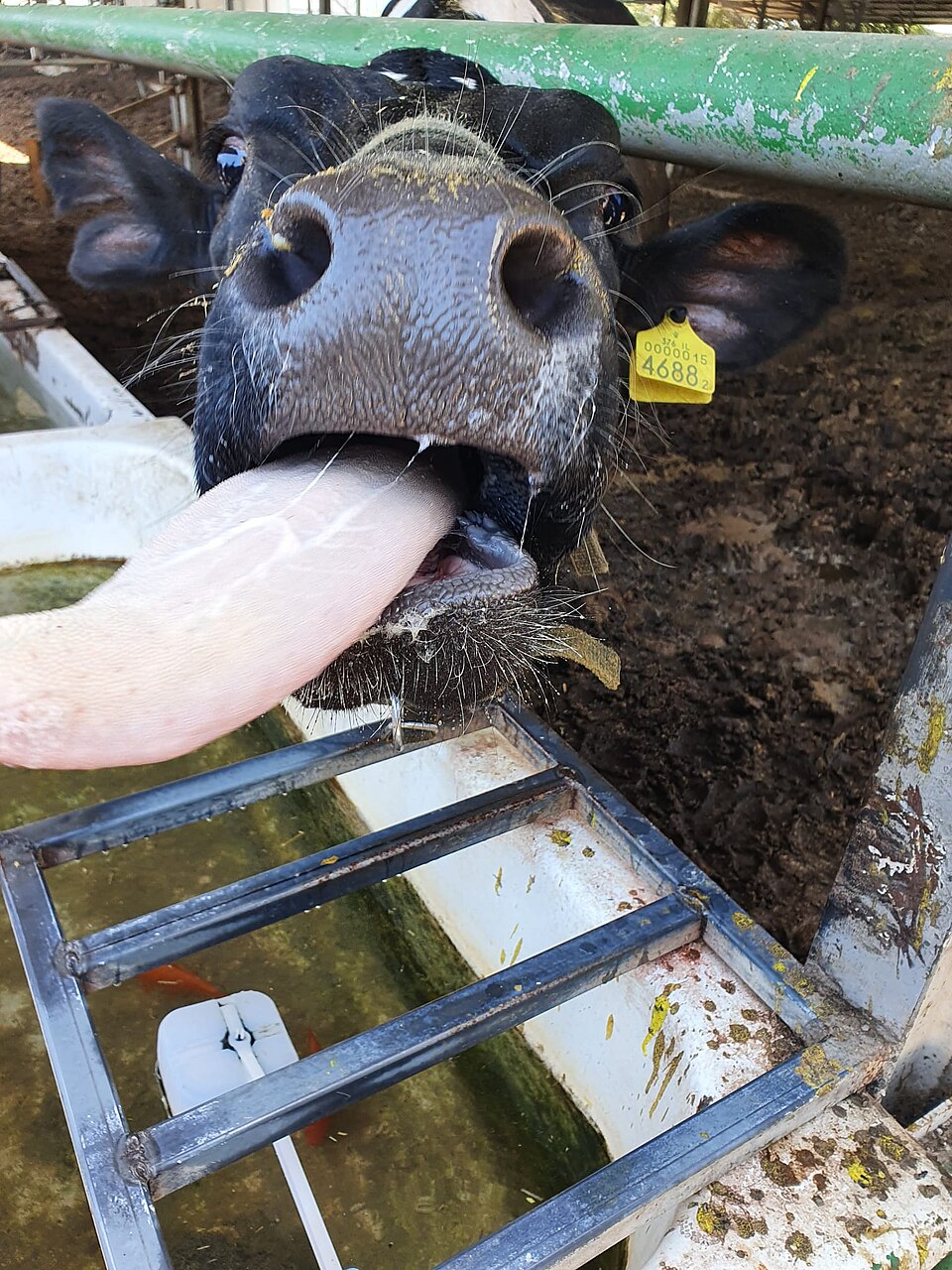
I feel like we all know what school lunch looks like, but how often do kids get to meet somebody who actually produced it? In September, Ruth Ann Monroe Primary School in Hagerstown turned that into a whole day of learning. A visiting calf named Rosie got some of the attention, but what interested me more was the bigger conversation around local food.
September 28 was the kickoff for Maryland Homegrown School Lunch Week. The Maryland Department of Agriculture says children at Ruth Ann Monroe took part in more than ten hands-on activities, tasted local food and heard a reading of The Dog Who Saved the Bees, with copies of the book going home with the students.
A calf is a great way to get a young kid interested. I can't imagine too many elementary-school students are gonna ignore that. But we shouldn't let the cute moment distract from what they were supposed to learn.
What happens once the special event is over?
The announcement said the schools would serve Maryland-made food that week, including all-beef hot dogs from Hoffman Meats, apples from Rinehart Orchards, and salad mix from District Farms. That's a concrete connection to actual regional producers, not just a slogan about supporting farms.
THE LOCAL FOOD CONNECTION
The school principal said a majority of Ruth Ann Monroe students rely on school meals. That part stuck with me more than the photo-op. For some kids, what the cafeteria serves isn't an extra little detail. It's a major part of their nutrition every week.
So my question isn't whether the statewide kickoff was a nice idea. It sounds like it was. My question is whether local sourcing and good nutrition can keep happening when the cameras, officials and farm animals aren't standing outside.
And I'd like to know how much of that food can realistically come from farmers around Washington County, how often those purchases happen, and whether kids actually like what's being put on their plates. If the goal is education and healthier meals, those answers matter.
STATE REPORT ON HAGERSTOWN EVENTMaryland Department of Agriculture — Homegrown School Lunch WeekPrimary September 28 report identifying Ruth Ann Monroe's actual school activities, local producers and products.
The nice thing about a lesson like this is it teaches children that food doesn't begin at the grocery store. Somebody planted something, raised something, harvested something, delivered something. That's worth understanding in a county where agriculture is still part of the local economy.
I hope the kids remember Rosie. But I hope the adults remember to ask what they're feeding those same kids the next day.
Talk your shit.
Agree, disagree, add context, challenge the take. Keep it about the conversation.
Your account name stays attached to your comments, so nobody can just type your name and pretend to be you.